What if your next home helped pay the mortgage? In Lawrenceville, steady renter demand and attainable home prices make house hacking a real path to lower monthly costs. If you are new to the idea, we will show you what it is, how it works locally, which financing options can help, and the steps to run your numbers. You will also find links to local rules so you can stay compliant. Let’s dive in.
What house hacking means
House hacking means you live in one part of a property and rent the other part to help cover your costs. That could be renting out a bedroom in a townhome, converting a basement into an accessory dwelling unit (ADU), or buying a duplex to fourplex and living in one unit. The rent you collect offsets your mortgage, taxes, insurance, and maintenance.
Why Lawrenceville works for house hacking
The market here supports both homeowners and renters. According to the U.S. Census QuickFacts for Lawrenceville, the median value of owner-occupied housing is about $350,600 and the median gross rent is $1,613 (ACS 2020–2024 snapshot). Zillow’s local value index shows average home values in the mid-$300Ks, which lines up with the Census baseline.
For active rental pricing, listing sites can show higher figures than long-run Census medians. For example, RentCafe’s recent snapshot of Lawrenceville shows average apartment rents around the mid-$1,600s. Differences between sources reflect methods: Census measures what renters pay across many units over time, while listing sites track currently advertised prices. Use the Census number for a conservative baseline and the listing snapshot to understand today’s asking rents.
Lawrenceville’s location in Gwinnett, with a city population around 31,900 and a mean commute time near 32 minutes per the same Census source, also supports renter demand from commuters and the regional workforce. That mix helps first-time buyers consider rooms, ADUs, or small multi-unit properties for a cost-offset strategy.
Property types you can use
Rooms within a home
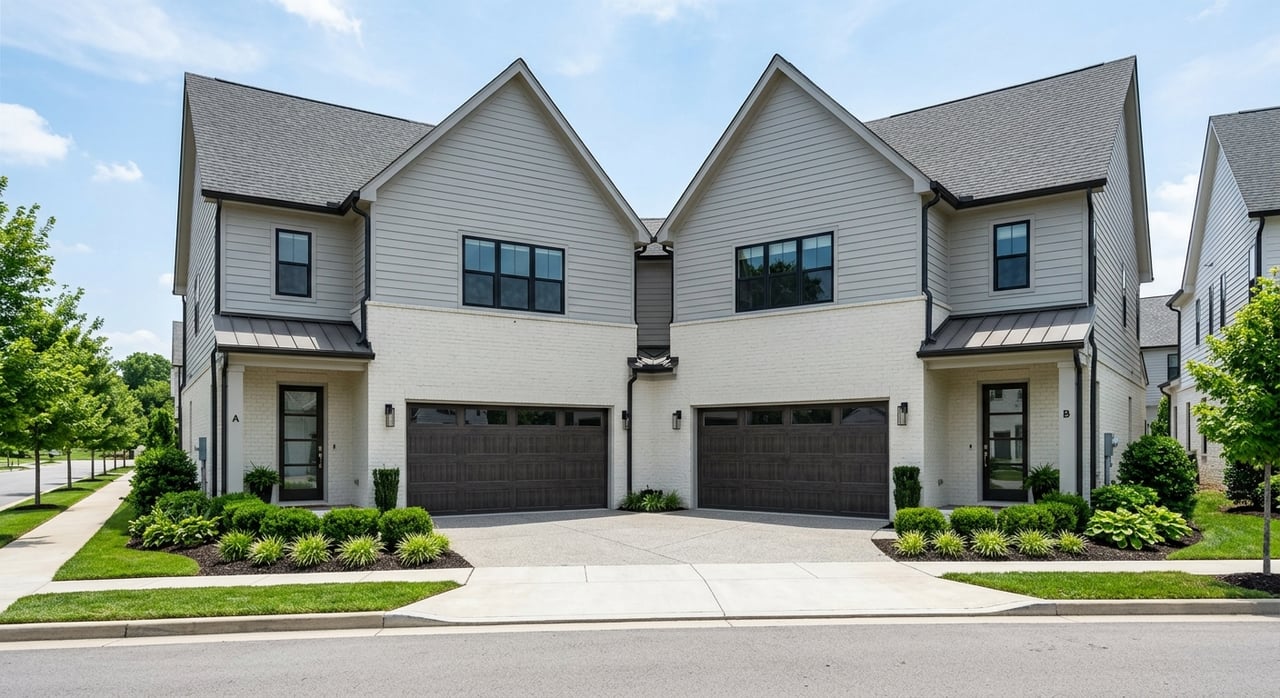
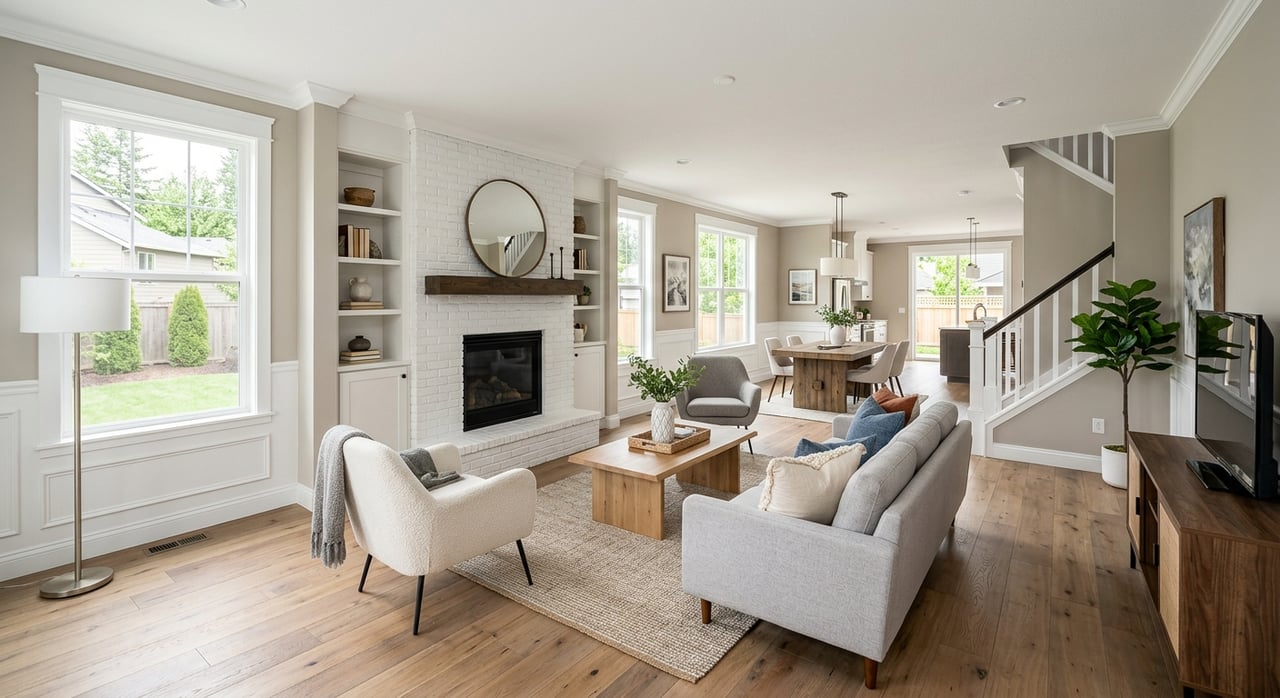
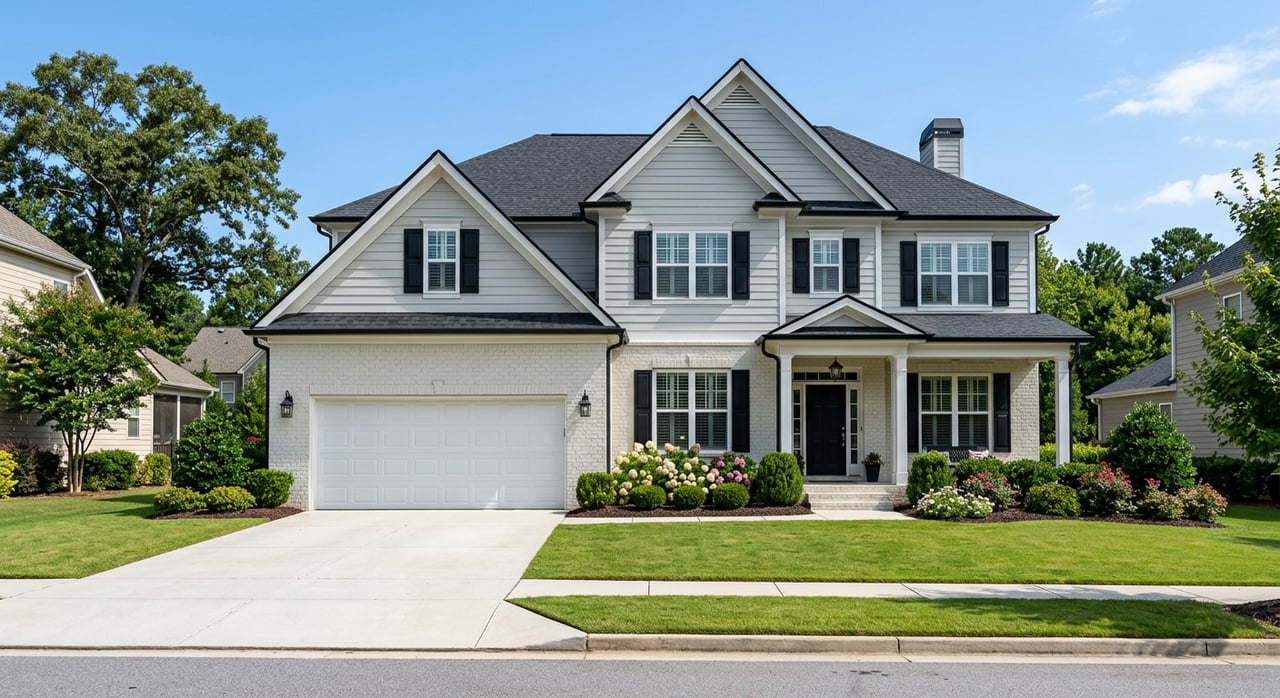
Buying a single-family home or townhome and renting spare bedrooms is a simple intro strategy. Look for layouts with private baths or split-bedroom plans to improve privacy. Confirm HOA and city rules on room rentals before you commit.
ADUs and conversions
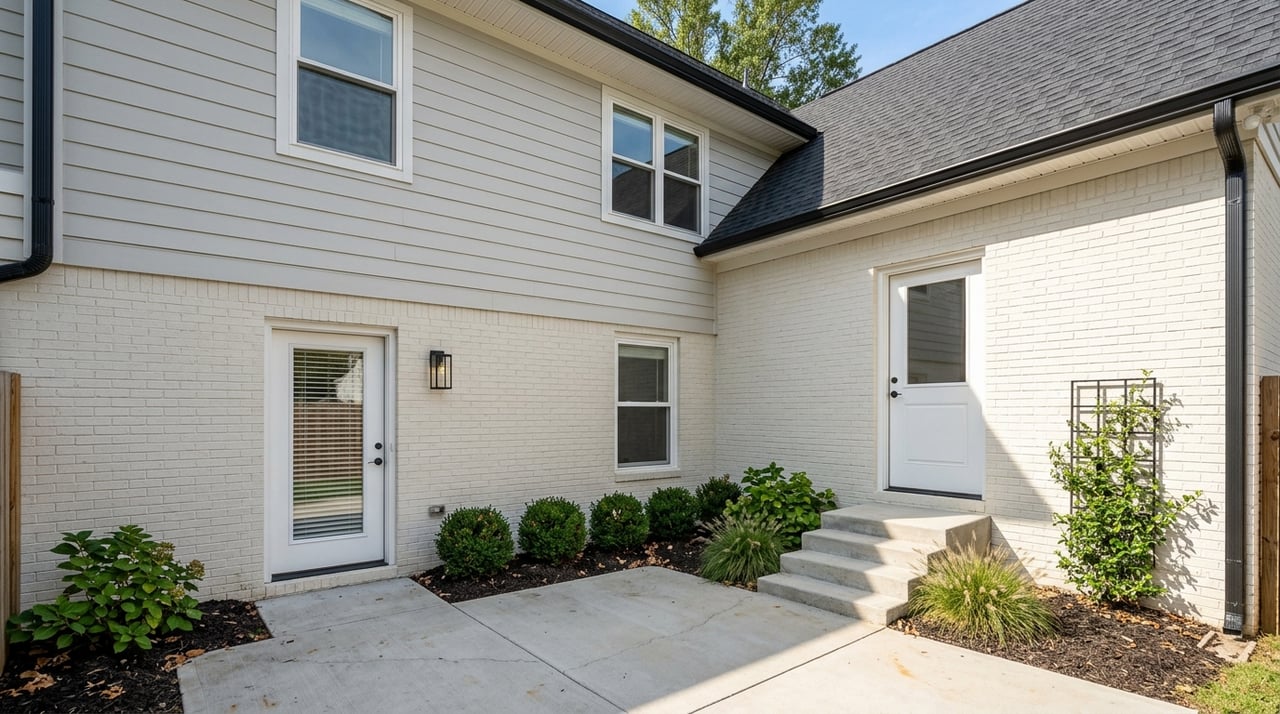
An ADU can be a basement apartment, garage conversion, or a detached backyard unit where allowed. In unincorporated Gwinnett, the Unified Development Ordinance includes accessory-dwelling standards such as size, setbacks, and owner-occupancy conditions. Review the county’s ADU section in the Gwinnett UDO and plan for permits, inspections, and utility needs.
Inside Lawrenceville city limits, the city manages its own zoning and permitting. Policies can evolve, so check current guidance and any text amendments posted via the city’s Planning Commission agendas and packets and speak with Planning & Development before you buy or convert space.
Duplex to fourplex
The classic house hack is a 2–4 unit property where you live in one unit and rent the others. These can qualify for owner-occupied financing with lower down payments than investment loans. Always verify local zoning, parking, and utility requirements.
Check rules before you buy
Use this quick checklist on every property you consider:
- City vs. county: Is the home inside Lawrenceville city limits or in unincorporated Gwinnett? Rules differ. Start with the city’s Planning & Development and the county’s UDO.
- ADU or conversion allowed: Confirm zoning, size limits, parking, and permit steps. Ask about separate entrances, egress, and any inspections or certificates of occupancy that apply.
- HOA or covenants: Many HOAs restrict rentals or ADUs. Review CC&Rs early. If restrictions exist, treat that as a hard stop.
- Utilities and layout: Separate meters are not always required, but splitting utilities or adding soundproofing and safe egress can add costs. Get estimates.
- Special approvals: In some cases you may need a Special Use Permit, building permits, or recorded covenants. Plan your timeline accordingly. Local governments sometimes pause certain permits during code updates, so confirm current policies before moving ahead.
Financing your house hack
The most common path is owner-occupied financing that allows 1–4 units and may count a portion of rental income to qualify. Lender rules vary, so get preapproved with someone experienced in multi-unit and ADU scenarios.
FHA: 3.5% down for 1–4 units
FHA insures loans for owner-occupied 1–4 unit homes with as little as 3.5% down for qualified borrowers. FHA also offers 203(k) purchase-plus-renovation options that can wrap eligible repairs into one loan. There are property condition, appraisal, and occupancy rules, so review the FHA Single Family Housing Policy Handbook and confirm details with an FHA-approved lender. See HUD’s Handbook 4000.1 for program standards.
VA: powerful option for eligible buyers
Eligible veterans and service members can use VA financing to purchase 1–4 unit properties when they will live in one unit. VA often allows zero down (subject to entitlement and funding fee). Underwriting can also consider rental income from the other units. Learn more from VA’s program overview, then speak with a local VA lender for specifics.
Conventional: recent changes help
Conventional financing has become more accessible for owner-occupied 2–4 unit purchases. Fannie Mae updated its automated underwriting in November 2023, which has allowed lower down payments in many scenarios. Industry coverage notes that some buyers can now qualify with as little as 5% down on owner-occupied 2–4 unit properties, subject to automated approval and lender overlays. See a summary of the change here: Fannie Mae DU update for multifamily purchases. Program availability and pricing vary by lender.
How lenders treat rental income
Many lenders will count a portion of projected rent from the unit(s) you do not occupy when qualifying you. The percentage and documentation differ by program. A common rule of thumb is that underwriters consider about 75% of market rent based on an appraisal rent schedule or signed lease, but your lender will state the exact method. For a practical overview, see this industry explainer on 2–4 unit mortgage underwriting and rental income.
Before you shop, ask your lender:
- Minimum down payment for 1–4 units and for your credit profile.
- How much of projected rent they will count and what documentation is required.
- Reserve requirements after closing.
- Whether ADUs or basement apartments are eligible and how they verify them.
- Owner-occupancy timelines and any lender overlays beyond the base program rules.
Run the numbers with a simple template
You do not need a complex spreadsheet to get oriented. Start with a conservative rent baseline, then adjust for today’s listings. For context, the Census median gross rent in Lawrenceville is $1,613 (ACS 2020–2024). Recent listing snapshots show mid-$1,600s on average, with some units priced higher depending on size and updates.
Use this quick template:
- Projected monthly rental income: add expected rent for the rooms or units you will rent.
- Vacancy allowance: rental income × 5% to 10%.
- Operating expenses: taxes (monthly share), insurance, utilities you pay, routine maintenance (about 1% of home value per year), HOA, and any management fee.
- Debt service: monthly principal and interest plus escrowed taxes and insurance.
- Net monthly cash flow: (rental income − vacancy) − (operating expenses + debt service).
Illustrative example using local baselines:
- Purchase price example: $376,885 (a recent local value index in the mid-$300Ks). If you put 5% down, your down payment is about $18,844. Actual monthly payment depends on your rate, mortgage insurance, and taxes.
- Rent assumption: one secondary unit at the Census median of $1,613 per month.
- Vacancy: 8% of $1,613 = $129 (rounded). Effective rent = $1,484.
- Maintenance: about 1% of $376,885 per year ≈ $3,769, or about $314 per month.
- Add taxes, insurance, utilities you cover, and HOA (if any), then compare to your total monthly mortgage payment.
This quick math shows how even one unit or a couple of rooms can offset a meaningful share of your housing cost. Update the numbers with your lender’s payment estimate and current rent comps for the most accurate picture.
Leasing and legal basics in Lawrenceville
- Use a written lease and clear house rules: define parking, quiet hours, utilities, and shared spaces. Apply the same screening standards for every applicant to comply with fair housing laws.
- Registration or inspections: some jurisdictions require rental registration or certificates of occupancy for ADUs or basement units. Verify current requirements with Lawrenceville Planning & Development and review the county’s ADU standards in the Gwinnett UDO.
- Taxes and insurance: report rental income and talk with your insurer about landlord coverage or a policy endorsement.
- Get professional help: for lease terms, local code questions, or disputes, consult a Georgia-licensed attorney. Your CPA can advise on deductions and depreciation.
A simple 90-day action plan
- Clarify your approach: rooms, ADU, or 2–4 unit. Write down your must-haves: separate entrance, parking, or private bath.
- Get preapproved: speak with a lender experienced in 2–4 unit and ADU financing. Ask about down payment, rent treatment, reserves, and occupancy timing.
- Verify rules for your target areas: check the city’s Planning Commission page and the county’s ADU standards. Review HOA rules early.
- Tour homes that fit your plan: focus on layouts with easy separation and safety features. Note what upgrades are needed to rent compliantly.
- Run the numbers: use the template above with your lender’s payment estimate and conservative rent comps.
- Write a strong offer: include realistic timelines for inspections and permitting checks.
- Prepare to lease: draft your lease, set screening criteria, and create a move-in checklist.
How we help you get this right
You deserve a clear plan, not guesswork. We combine local search expertise, practical financing know-how, and on-the-ground guidance so you can buy confidently and set up your house hack the right way. From pinpointing ADU-friendly layouts to negotiating credits for needed repairs, we help you focus on properties that support your goals. Ready to explore Lawrenceville homes that fit a smart house-hack strategy? Connect with LBBM Brokers to schedule your consultation.
FAQs
Can I use an FHA loan to buy a duplex in Lawrenceville?
- Yes. FHA insures loans on owner-occupied 1–4 unit properties and is commonly used for duplex house hacks. Review occupancy and property standards in HUD’s Handbook 4000.1 and confirm details with your lender.
Can a veteran use a VA loan to buy a triplex or fourplex?
- Yes if eligible. VA allows 1–4 unit purchases when you live in one unit, with zero-down potential depending on entitlement; see VA’s program overview and speak with a VA lender.
Do conventional loans allow low down payments on 2–4 units?
- Often yes. Fannie Mae’s November 2023 automated update expanded access to lower down payments for owner-occupied 2–4 unit purchases; availability and pricing vary by lender, so review the DU update summary and get preapproved.
Are ADUs allowed in Lawrenceville and Gwinnett?
- It depends on location and zoning. In unincorporated Gwinnett, see the ADU section of the UDO; inside Lawrenceville, check current guidance via the city’s Planning & Development resources and recent Planning Commission materials.
What rents should I use to estimate income in Lawrenceville?
- Use a conservative baseline such as the Census median gross rent of $1,613 (ACS 2020–2024) from U.S. Census QuickFacts, then compare with current listing snapshots like RentCafe’s market view for today’s asking prices.