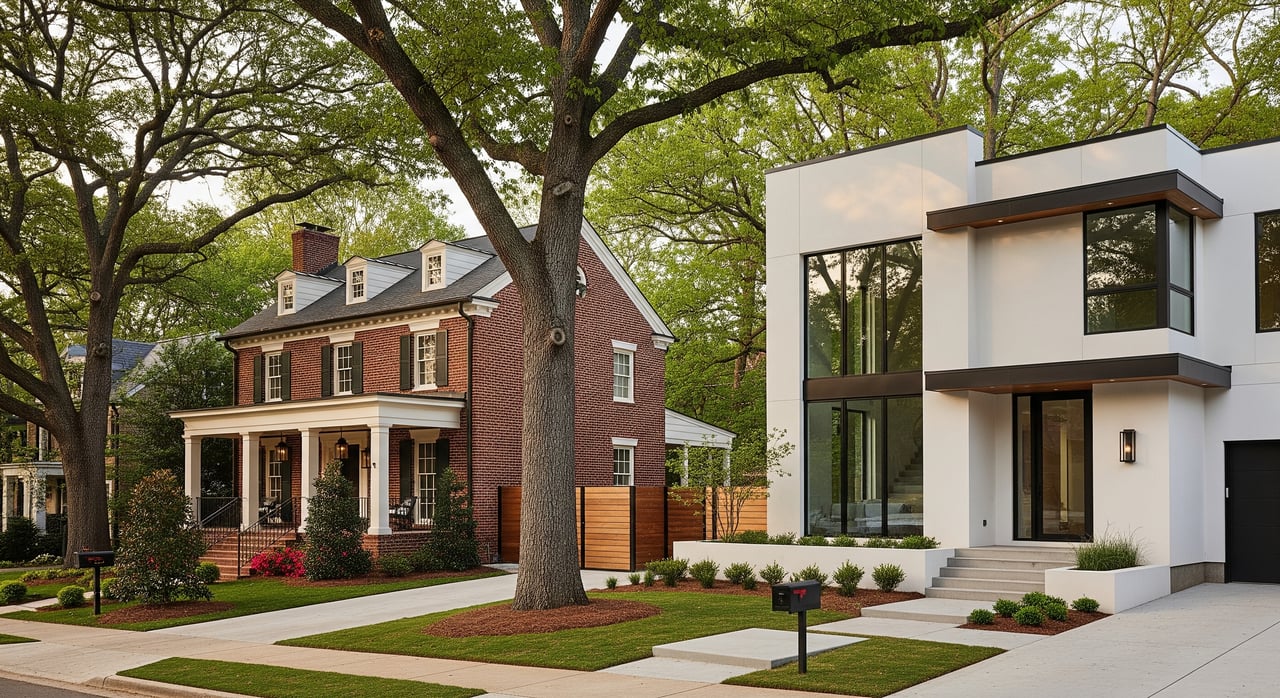
Trying to choose between a brand-new build and a well-kept resale in Alpharetta? You are not alone. With strong job centers, sought-after schools, and easy access to GA‑400, demand stays steady and options can feel overwhelming. In this guide, you will learn how new construction and resale compare on price, timelines, warranties, energy efficiency, HOAs, and long-term value in Alpharetta. You will also get practical checklists and questions to ask so you can move forward with confidence. Let’s dive in.
Why Alpharetta keeps drawing buyers
Alpharetta’s appeal comes from a mix of quality-of-life and convenience. You have a thriving retail and office core, including destinations like Avalon, and proximity to major employment hubs. Access to GA‑400 and nearby tech and corporate offices supports consistent buyer interest across budget ranges. Inventory comes from both established neighborhoods and new master-planned or infill communities, which means you can compare very different paths to ownership.
New construction vs. resale at a glance
- New construction offers customization, modern systems, and builder warranties. You often pay more than the base price once lot premiums and design options are added, and timelines can stretch.
- Resale homes offer faster closings and immediate occupancy. You may invest in updates or handle maintenance sooner, but you avoid construction wait times and can negotiate based on inspections.
- In Alpharetta, neither choice is automatically better. Your decision should reflect your timeline, budget for upgrades, desire to customize, and resale goals.
Price and total cash needed
New construction costs
Builders list a base price that covers a standard set of finishes. In practice, many buyers add lot premiums, elevation choices, upgraded cabinets and counters, flooring, landscaping, and window treatments. Builders frequently advertise incentives such as closing-cost credits, rate buydowns, or design-center allowances. Expect to provide earnest money and, in some contracts, option deposits for selected upgrades.
Resale costs
Resale prices are usually a single negotiated number. You may budget for renovations or address deferred maintenance after closing. Closing timelines tend to be shorter, which can reduce interim housing costs if you need to move quickly.
Local takeaway
In Alpharetta, a new home’s base price can look competitive next to a similar resale. Once you add options, the final price is often higher. Always request a full, priced options list so you understand the true total.
Timeline and certainty of closing
New build timelines
From contract to completion, new construction can take several months to a year. Timelines vary by whether you choose a spec home that is nearly finished or a to-be-built home. Delays can happen due to permitting, inspections, or supply chain issues. Builders share schedules, but they do not follow the same contingency structure you see in most resale contracts.
Resale closing timelines
Resale transactions usually finish in 30 to 60 days once you clear financing and inspection contingencies. If you need predictability, resale can offer a more defined path to closing.
Customization and quality
New construction choices
You can select layouts, finishes, and systems that fit how you live. Modern codes and new systems are a plus. The tradeoff is that many desirable finishes are upgrades, and quality varies by builder and subcontractors. Review included features closely and inspect at key build stages.
Resale advantages
Resale homes often sit on larger lots and have mature landscaping. Some are already updated and move-in ready at a competitive price. Older systems or layouts may call for renovation to meet current preferences.
Warranties and inspections
New construction coverage
Many builders offer limited warranties, commonly a structure like 1 year for general workmanship, 2 years for systems, and 10 years for structural components. Terms vary, so confirm everything in writing. Independent inspections are still essential. Schedule pre-drywall, post-mechanical, and a final walk-through with a punch list.
Resale protections
Resale purchases depend on your inspection contingency and the seller’s disclosures. You may negotiate repairs, credits, or price reductions after inspections. Plan for specialized inspections if needed.
Energy performance and codes
New construction efficiency
New builds follow current local codes and often include more efficient HVAC, insulation, windows, and appliances. Ask for any documented efficiency ratings, such as Energy Star or HERS, if advertised by the builder. Request estimated utility costs to compare homes on total operating expense.
Resale variability
Older homes may have higher utility costs, though some owners have upgraded systems or insulation. Energy performance depends on the home’s age and improvements over time.
Financing, appraisals, and incentives
New construction options
Builders often work with preferred lenders and may offer rate buydowns or closing credits. For to-be-built homes, a construction-to-permanent loan could be an option. Appraisals can be challenging if there are few comparable sales. Some builders respond with incentives or programs during hot markets.
Resale financing
Most resale buyers use a standard mortgage with a single closing. Appraisals are typically based on nearby comparable sales, which may be more straightforward when the neighborhood has active turnover.
Taxes and assessments
New build tax considerations
New construction can trigger reassessment after completion, which can increase property taxes. Learn how the Fulton County Tax Assessor handles new improvements and when values are adjusted so you can plan your housing budget accurately.
Resale tax history
Resale property taxes generally continue from existing assessments unless revalued, or you make major improvements later. Review available county tax records to understand history and exemptions that may apply.
HOAs and amenities
New construction communities
Many new neighborhoods come with mandatory HOAs and shared amenities such as pools, trails, or clubhouses. Review rules, fees, reserves, and any planned special assessments. HOA costs shape your long-term monthly budget.
Resale communities
Established neighborhoods may or may not have an HOA. If there is one, the budget, reserves, and policy history are often more mature, which can help set expectations. Confirm details rather than assume lower risk.
Resale value and appreciation
New construction resale outlook
Fresh floor plans, contemporary features, and warranties can boost marketability in the early years. Buyers sometimes pay a premium for new that can compress short-term appreciation, especially if nearby new homes compete with yours when you sell.
Resale value drivers
Established locations, mature landscaping, and a visible price history can support valuation. Outdated finishes or layouts may reduce buyer interest unless improved. In Alpharetta, proximity to employment centers, local amenities, and neighborhood reputation matter, so always review recent comparable sales.
Buyer checklists
New construction checklist
- Get the full builder contract, included-features sheet, and a priced options catalog in writing.
- Confirm warranty terms, coverage, and the claims process. Ask if the warranty is transferable.
- Request a build schedule with milestones and remedies for significant delays.
- Clarify which upgrades are included in the price and which add cost, plus any lead times.
- Verify lender incentives and whether you must use a preferred lender to receive them.
- Confirm who pays for landscaping, driveway finishes, fencing, and utility tap fees.
- Hire independent inspections at pre-drywall, post-mechanical, and final stages.
- Ask for any energy-performance documentation such as Energy Star or HERS ratings.
- Review HOA documents, dues, special assessments, and architectural guidelines.
Resale home checklist
- Order a comprehensive inspection. Add roof, foundation, pest, HVAC, or sewer scope if recommended.
- Read seller disclosures carefully and verify permits for past work with local records.
- Request recent utility bills to estimate operating costs.
- Confirm school assignment zones and check for planned developments that may affect context.
- Review property tax history and potential exemptions that may apply to you.
Financing checklist
- Get preapproved early and understand your loan options, including construction-to-permanent if relevant.
- Compare builder-lender incentives to outside lenders. Evaluate total APR and fees.
- Ask about appraisal contingencies and whether any appraisal-gap protections exist.
Questions to ask
- What is included in the base price, and what do common upgrades cost line by line?
- What warranties are provided, and how long do repairs usually take?
- What is the typical closing timeline, and what happens if there are major delays?
- Are there any planned HOA fee increases or special assessments?
- Can you share recent comparable sales for this community or nearby?
Tips for Alpharetta sellers competing with new builds
Highlight what new homes cannot match quickly, such as lot size, mature trees, or finished basements. Consider smart updates that deliver outsized impact, like a kitchen refresh, lighting, minor bath upgrades, and strong curb appeal. If you are buying new after selling, align your closing with the build schedule and explore options like rent-back or bridge solutions. Be thorough with disclosures and keep documentation for permitted upgrades. This reduces buyer friction and speeds up negotiations.
How to choose for your goals
- If customization and modern systems are top priorities, and your timeline is flexible, new construction may fit best.
- If you want predictability, faster occupancy, and the ability to negotiate based on inspection findings, resale can be a strong match.
- If long-term value is your focus, compare total cost of ownership. Include taxes, HOA fees, utilities, and likely update costs over the first five years.
You do not have to decide alone. We help you compare true, apples-to-apples costs for specific Alpharetta communities, understand timelines, and negotiate favorable terms whether you choose a new build or a resale. When you are ready, connect with our owner-led team at LBBM Brokers to map your best path forward.
FAQs
What is the biggest cost surprise with new construction in Alpharetta?
- Many buyers underestimate the price of options and lot premiums. Always get a priced options list and confirm what is included in the base price.
How long does a new build usually take from contract to keys?
- It can range from several months to a year depending on whether it is a spec home or to-be-built, plus potential delays for permits, inspections, or materials.
Do I still need inspections on a brand-new home?
- Yes. Schedule independent inspections at pre-drywall, post-mechanical, and final stages to catch issues early and create a clear punch list.
Are property taxes higher on new construction?
- New builds often trigger reassessment after completion, which can increase taxes. Learn how the county values new improvements so you can budget accurately.
Which option is better for resale value in Alpharetta?
- It depends on location, features, and competition. New homes offer modern appeal, while established neighborhoods provide predictable comps and mature surroundings.